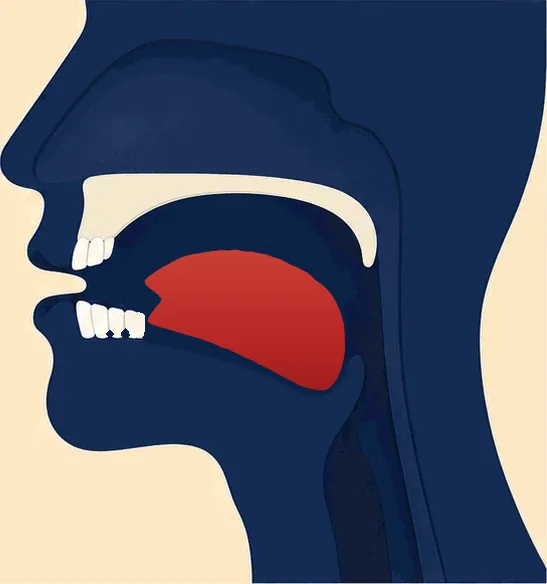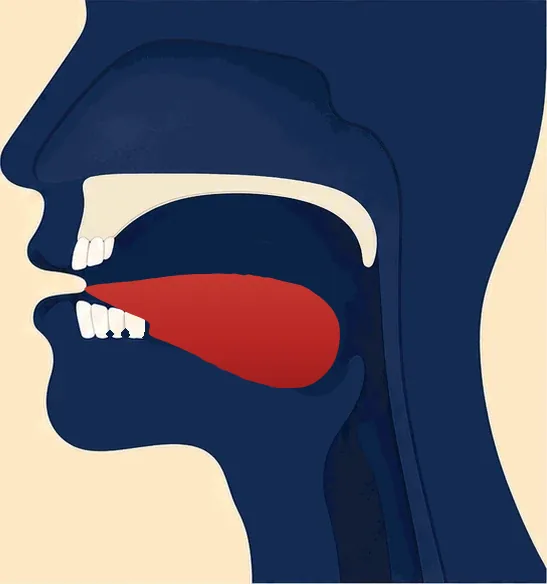
/θ/ voiceless
Air only
Air over the tongue tip, no buzz.
soft hiss
thinbaththinkbirthdaymouth
Rest your tongue tip lightly between your front teeth and blow. No voice: /θ/ in think. Voice on: /ð/ in this. Tongue behind the teeth turns "think" into "sink".


Air over the tongue tip, no buzz.
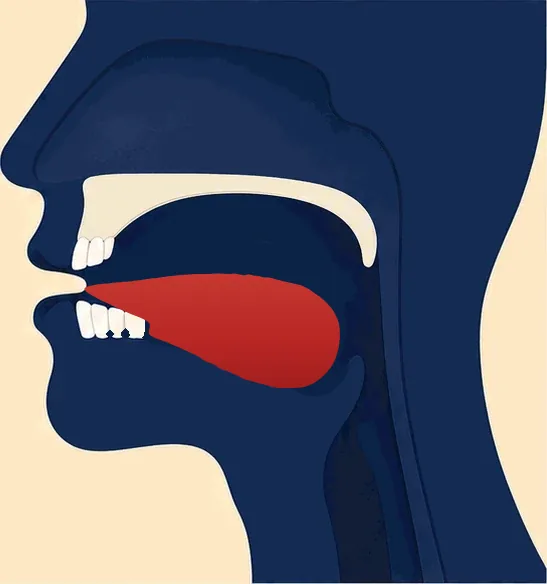
Same place, vocal cords buzzing.
For /ð/: same position, then switch your voice on and hold a buzzing "thhh" for two seconds before moving into this, mother, breathe.
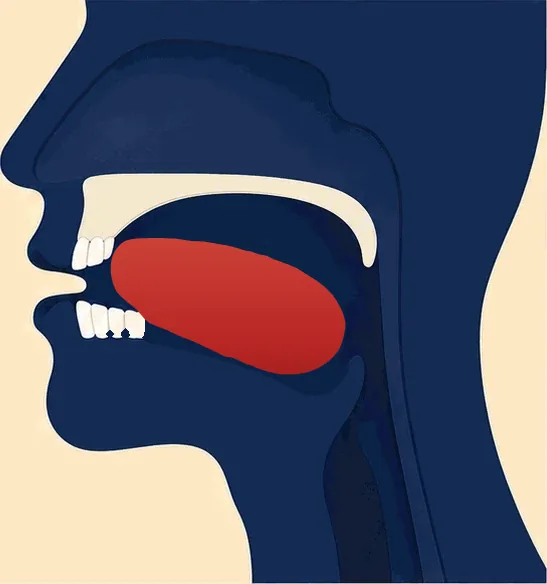
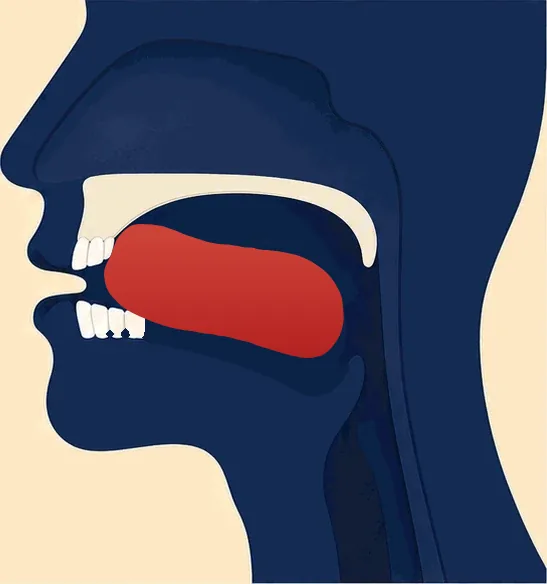
Say each pair aloud. If both words sound the same, your tongue is not coming forward.

In thin you can see a sliver of tongue and the hiss is soft. In sin the tongue hides and the hiss is sharp.
Both buzz, so watch the mirror: in they the air keeps flowing; in day the tongue taps and the air stops.
So speakers swap in the nearest sound they already have.
Your first language shapes the rest of your English too: see the accent test guide (한국어: 한국인 영어 발음 특징).
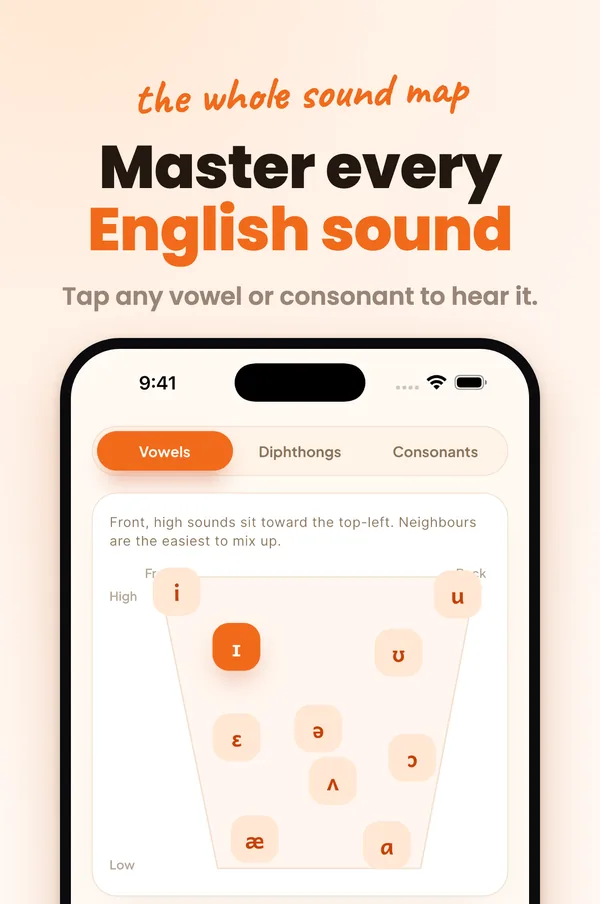
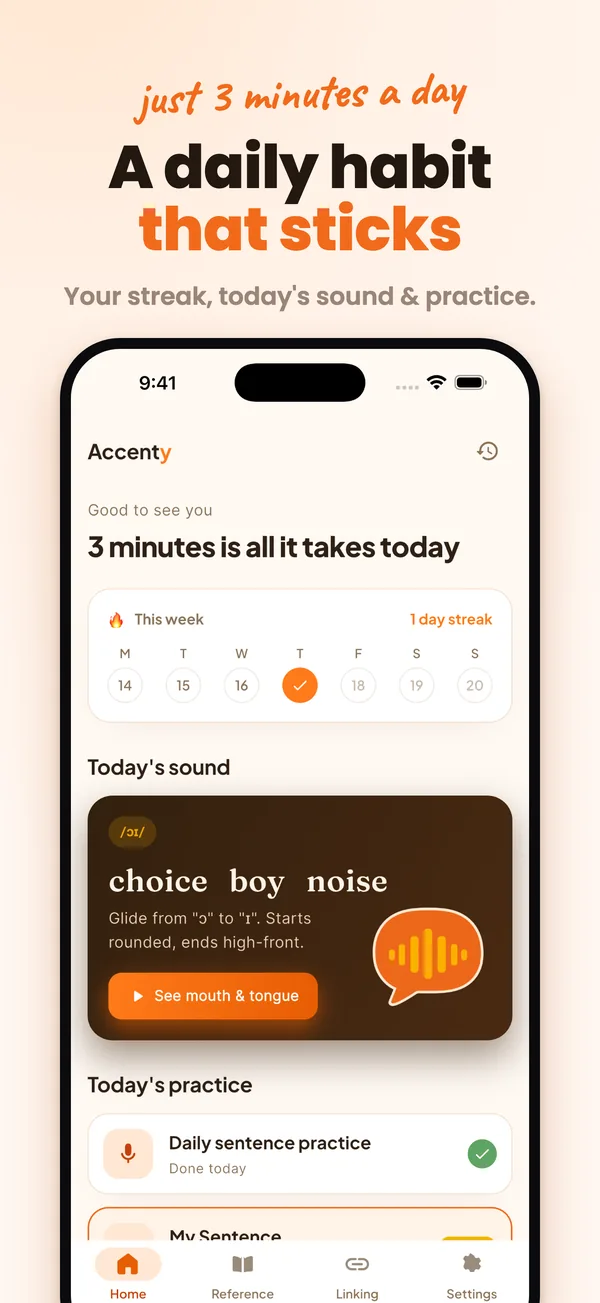
Read a short passage, see which sounds you miss, then practise each one with its mouth and tongue guide, in American (46 sounds) or British (44) English.
The tongue position is the same: tip lightly between the front teeth. Voiceless /θ/ (think, bath) is only air, with no buzz in the throat. Voiced /ð/ (this, mother) adds your voice, so you feel a buzz with a hand on your throat.
Many languages, including Korean, Mandarin, French and German, have no "th", so the tongue stays behind the teeth and the sound comes out as /s/ or /t/. The fix is visible: your tongue tip has to come forward between your teeth.
Only a little. The tip rests lightly between the upper and lower front teeth, so a sliver of tongue shows in a mirror. You do not need to push it far out or bite down.
Yes. /θ/ and /ð/ are the same in General American and British RP; both sound sets in the Accenty app include them.